• Skip to primary navigation
  • Skip to main content
CRM Junction – SuiteCRM Specialists

CRM Junction - SuiteCRM Specialists

The Home Of SuiteCRM Cloud Computing

  • Home
  • Features
  • Support Services
  • Training
    • Understanding Workflows
    • Understanding ‘The Cloud’
  • Pricing
  • Why SuiteCRM
  • Articles
  • Contact
    • Payments

Business Operations

Key Customer Service Trends in 2023: Cloud, CRM and AI Take Center Stage Amid Persistent Remote and Hybrid Work Models

August 19, 2023 by Scott Scholz

The shift to remote work during the COVID-19 pandemic significantly impacted contact center agent jobs, with many transitioning to a work-from-home model. While the pandemic’s intensity has diminished, a substantial number of agents are expected to continue remote work in the long term. Deloitte Digital’s recent global contact center survey reveals that 69% of organizations currently maintain work-from-home programs, and 73% of those anticipate sustaining such programs in the next two years.
This trend has sparked a transformation in the technological landscape of contact centers. A rapid shift to cloud technologies has been a prominent change to facilitate remote work, with analytics, CRM, knowledge management, interaction recording, and workforce management systems moving to the cloud by approximately 50% over the last two years, according to Deloitte’s data.

The priorities for customer service organizations now encompass artificial intelligence, analytics, self-service automation, agent enablement, and infrastructure upgrades. Gartner’s customer service and support tech trends report also highlights similar investment focuses, such as case management systems, internal collaboration tools, cloud-based systems, knowledge management systems, and customer analytics dashboards.

Analytics is expected to undergo significant deployment growth this year, with predictive analytics, digital experience analytics, customer journey analytics, sentiment analytics, and digital experience analytics being key methodologies.

Conversational intelligence is a central technological innovation in modern customer service operations. It involves extracting sentiment and details from customer interactions, analyzing these interactions on a large scale, and providing insights into customer concerns across diverse communication channels.

Gartner predicts an increasing value in virtual customer assistants and chatbots, with three-quarters of leaders indicating the high value these technologies will bring to their organizations in the next two years. Similarly, customer self-service and assisted service are deemed crucial for future success.

The integration of artificial intelligence, particularly for sentiment analysis and problem resolution, is gaining prominence. AI’s role in categorizing interactions, scoring sentiment, and facilitating customer interactions in real time is becoming indispensable.

Generative AI is another critical development, with its ability to provide automated responses across multiple digital channels. While concerns of generative AI replacing human agents exist, experts emphasize that it should complement, not replace, human agents.

he evolution of remote work has brought substantial technological changes to contact centers. Cloud technologies, CRM, analytics, conversational intelligence, AI integration, and generative AI are at the forefront of these advancements. These transformations aim to enhance customer experiences and navigate the challenges of modern customer service operations.

Filed Under: AI, Business Operations, Sonet Dynamics Blog, SuiteCRM

Unlocking ‘The Cloud’: But What Is ‘The Cloud’?

August 14, 2023 by chrisely

Many people wonder about the term, ‘The Cloud’.  The terms “the cloud” and “cloud computing” have however,  become part of our daily vernacular. Yet, for many, the concepts remain elusive.

Unveiling the Cloud: A Digital Nexus

When we refer to “the cloud,” we’re delving into a vast network of servers, all accessible via the Internet. These servers collectively house software applications, databases, and an array of resources. Geographically dispersed across data centers worldwide, they constitute the foundation of cloud computing. Unlike traditional computing setups, cloud computing eliminates the need for users and organizations to manage physical servers or run applications on local devices.

Seamless Accessibility from Anywhere, Anytime

At the heart of the cloud’s allure is its ability to provide users with access to files and applications from virtually any device. The mechanism is simple yet revolutionary: Instead of relying on local hardware and storage, computation and data storage occur on servers located within data centers. This explains how you can seamlessly transition from an old phone to a new one and still find your Instagram account intact, replete with photos, videos, and conversations. This principle extends to cloud email services like Gmail and cloud storage platforms such as Dropbox.

Business Transformation via Cloud Computing

For businesses, embracing cloud computing brings forth a multitude of advantages. It liberates them from the intricacies of maintaining physical servers, as cloud service providers shoulder this responsibility. This shift is especially beneficial for smaller enterprises with limited resources for internal infrastructure. By outsourcing their infrastructure needs to the cloud, these businesses can achieve newfound affordability and scalability. Moreover, cloud computing facilitates global operations by offering universal access to shared files and applications for employees and customers alike.

Technical Marvel: Virtualization

The heart of cloud computing lies in a technical marvel known as virtualization. This innovation enables the creation of virtual machines—digital simulations that replicate physical computers, complete with their hardware attributes. What’s remarkable is that these virtual machines remain isolated from one another, even when they share a common physical host. This isolation ensures data privacy and security. By running multiple virtual machines on a single host, cloud providers optimize hardware utilization, effectively transforming data centers into hubs capable of serving countless organizations.

Reliability through Redundancy

Cloud servers are engineered with reliability at their core. Even in the face of individual server issues, cloud services persist, remaining accessible. Cloud providers achieve this through redundancy, backing up services across multiple machines and regions. This strategy ensures continuous availability, minimizing downtime and disruptions.

Cloud Services Unveiled

Cloud services encompass a wide spectrum of resources managed by cloud providers. These span infrastructure, applications, development tools, and data storage, to name a few. These services are categorized into different models, each catering to specific requirements and use cases.

WordPress and SuiteCRM: Cloud Computing Exemplars

Two prime examples of cloud computing in action are WordPress and SuiteCRM. These platforms operate through web browsers, harnessing the power of the Internet to deliver their services. WordPress, a widely-used content management system, allows users to create and manage websites effortlessly, all within a browser interface. Similarly, SuiteCRM, a robust customer relationship management solution, provides tools for sales, marketing, and customer support through a browser-based experience.

Both WordPress and SuiteCRM epitomize the cloud’s capabilities by providing accessible, browser-based solutions that harness the cloud’s agility and reach. This highlights how cloud computing transcends boundaries, enabling users to engage with versatile applications from anywhere with an Internet connection.

The cloud and cloud computing have revolutionized how we interact with technology. By harnessing remote servers and advanced virtualization techniques, the cloud empowers users and businesses to access resources seamlessly, regardless of device or location. The significance of the cloud is evident in its ability to reduce costs, foster innovation, and enhance global connectivity. As technology continues to advance, the cloud remains a driving force shaping our relationship with data and applications.

Filed Under: Business Operations, Sonet Dynamics Blog, SuiteCRM, WordPress

Your #1 Tool for Business Management in the Modern Era: SuiteCRM

August 7, 2023 by Scott Scholz

In the intricate landscape of modern business operations, Customer Relationship Management (CRM) software has emerged as the cornerstone of success. A CRM system is a multifaceted tool that empowers businesses to efficiently manage customer interactions, streamline processes, and enhance overall productivity. Among the plethora of CRM solutions available, SuiteCRM stands out as the preeminent choice, offering a comprehensive suite of features that make it the ultimate solution for managing a business effectively.

At its core, CRM software is designed to centralize customer information and interactions, enabling businesses to gain a holistic view of their customer base. This wealth of data allows for personalized communication, targeted marketing, and the delivery of exceptional customer experiences. By fostering stronger customer relationships and tailoring interactions to individual preferences, businesses can significantly boost customer retention and loyalty.

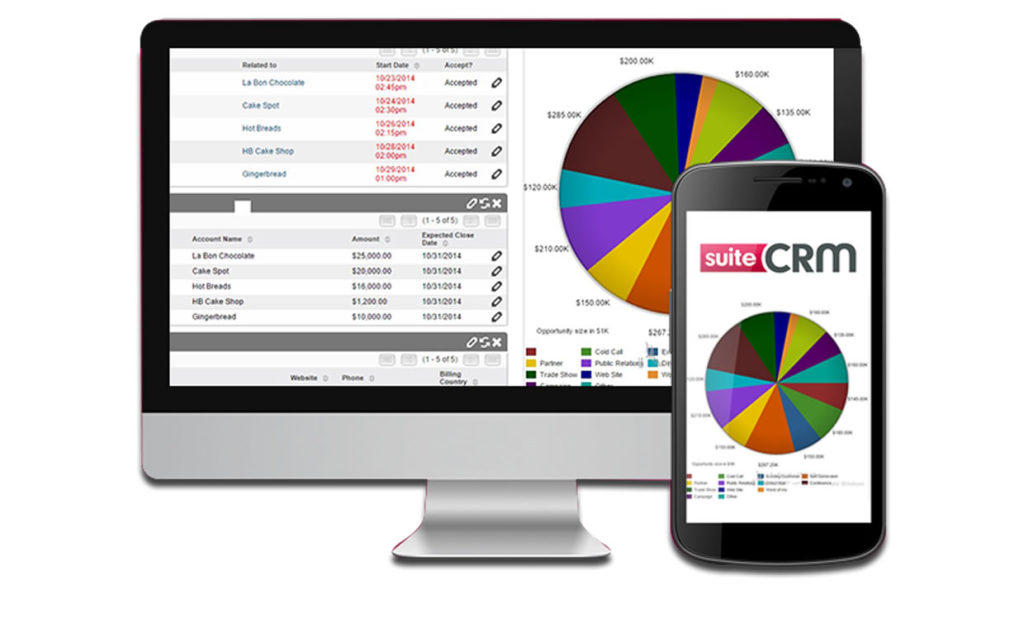
SuiteCRM takes this fundamental CRM capability to the next level. With SuiteCRM, businesses can not only gather customer data but also analyze it to extract valuable insights. These insights enable informed decision-making, helping companies identify market trends, anticipate customer needs, and develop more effective business strategies. SuiteCRM’s robust reporting and analytics tools empower businesses to make data-driven decisions that drive growth and success.

One of the standout features of SuiteCRM is its unparalleled customization and flexibility. Every business is unique, and SuiteCRM recognizes this by providing the tools to tailor the system to specific workflows, processes, and industry requirements. From creating custom modules to automating complex tasks, SuiteCRM allows businesses to mold the software to align with their distinct operational needs. This adaptability ensures that the CRM system grows with the business and remains a relevant and effective tool over time.

SuiteCRM’s open-source nature further amplifies its appeal. Unlike proprietary CRM solutions that can be restrictive and costly, SuiteCRM offers an open and collaborative environment. This not only makes the software more accessible to businesses of all sizes but also fosters a community-driven ecosystem of innovation and improvement. The result is a CRM system that constantly evolves, incorporating the latest technologies and best practices to keep businesses ahead of the curve.

Another compelling reason SuiteCRM stands as the number one CRM option is its cost-effectiveness. Traditional CRM systems can come with hefty licensing fees and ongoing costs. In contrast, SuiteCRM’s open-source model eliminates the need for licensing fees, making it an attractive solution for businesses seeking high-value functionality without straining their budgets. This cost savings can be reinvested into other crucial areas of the business, driving further growth and innovation.

CRM software has solidified its position as the linchpin of effective business management in the digital age. SuiteCRM, with its comprehensive features, customization capabilities, open-source model, and cost-effectiveness, emerges as the undisputed leader in the CRM landscape. From optimizing customer relationships to facilitating data-driven decisions and fostering innovation, SuiteCRM empowers businesses to navigate the complexities of modern commerce and achieve unparalleled success.

Filed Under: Business Operations, Sonet Dynamics Blog, SuiteCRM

Maximizing Efficiency with SuiteCRM’s Documents Module: Organize and Access Files Seamlessly

August 1, 2023 by Scott Scholz

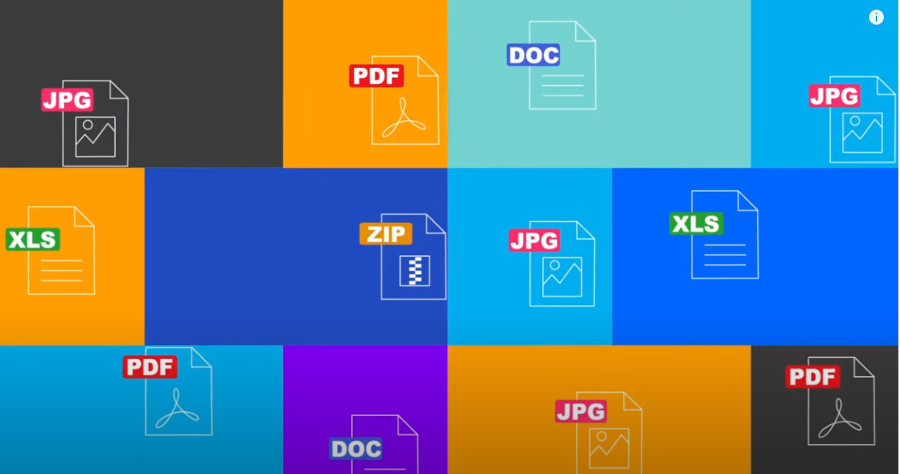
The Documents module in SuiteCRM provides a centralized and organized way to store important files and link them to relevant records within the CRM system. It offers a secure and easily accessible repository for various types of documents, such as contracts, proposals, invoices, marketing materials, and more.

Here’s how the Documents module works in SuiteCRM:

  1. Uploading Documents: Users can upload files directly to the Documents module. This can be done by clicking on the “Create” button within the module and selecting “Upload Document.” Users can either drag and drop files or browse their computer to select the desired document.
  2. Organizing Documents: Once uploaded, documents can be organized into folders or subfolders for better categorization and easy retrieval. This helps keep the document library well-structured and allows users to quickly find the relevant files.
  3. Linking Documents to Records: One of the key features of the Documents module is the ability to link documents to specific records within SuiteCRM. For instance, a sales contract can be linked to a particular opportunity, or a product manual can be linked to a specific product record. This association allows users to access relevant documents directly from the associated record.
  4. Document Revision History: SuiteCRM keeps track of document revisions, allowing users to view previous versions of a document. This feature is particularly useful when multiple team members collaborate on a document, ensuring a history of changes and edits is maintained.
  5. Document Sharing and Permissions: Administrators can set user-level permissions to control who can access, edit, or delete documents. This ensures that sensitive or confidential files are only accessible to authorized personnel.
  6. Version Control: SuiteCRM’s Documents module provides version control capabilities, enabling users to maintain different iterations of the same document. This is helpful in scenarios where document updates and changes are frequent.
  7. Document Search: The module includes a search function that allows users to quickly find specific documents using keywords or file names. This saves time and effort in locating relevant files, especially in large document repositories.
  8. Integration with Other Modules: The Documents module seamlessly integrates with other modules within SuiteCRM. For example, documents can be linked to leads, contacts, accounts, opportunities, and other custom modules.
  9. Document Collaboration: Team members can collaborate on documents by accessing and editing them in real-time, making it easier to work on shared files collectively.
  10. Document Versioning: When a document is updated, the previous version is preserved, ensuring historical records are retained and accessible.

In summary, the Documents module in SuiteCRM offers a comprehensive solution for storing, managing, and linking important files to relevant records. This streamlines document management processes, enhances team collaboration, and ensures easy access to essential files within the CRM system.

Filed Under: Business Operations, Sonet Dynamics Blog, SuiteCRM

Top 5 Reasons Why Centralizing Your Data with Cloud-Based SuiteCRM Will Enhance Your Business

July 31, 2023 by chrisely

Harnessing and utilizing customer data effectively can make or break a company’s success.

Managing and interpreting data strategically is vital, and the first step towards data management success is centralizing dispersed data onto a single platform, creating one single version of the truth. In this blog post, we will explore the top five reasons why centralizing your data with a cloud-based SuiteCRM solution can significantly enhance your business.

  1. Accurate Data Analysis Enriches Business Decisions:

Having access to accurate and organized data analysis empowers management to identify trends and make informed decisions that guide the entire organization consistently. With a centralized repository, you can access real-time data and generate comprehensive reports, enabling better market insights and performance evaluations. This data-driven decision-making approach helps you stay ahead of competitors and seize growth opportunities in a dynamic business environment.

  1. Simplified Data Maintenance:

Centralizing data through a cloud-based SuiteCRM solution streamlines data integration and updates. When changes are made to the information, they are automatically propagated throughout the organization. This eliminates the need for multiple sets of data and constant synchronization, reducing the risk of data inconsistencies. Each department can adhere to cross-company processes and workflows, saving time and enhancing overall productivity.

  1. Improved Data Integrity:

Data quality is paramount for any business. The British Royal Mail reported that around 6% of annual revenue is lost due to poor data quality. By conducting a data audit during the centralization process, you can establish a reliable baseline for your data. This allows you to implement a continuous data hygiene regimen and policy to enhance data quality. Identifying and resolving gaps in records becomes more efficient, ensuring you can trust the data for accurate trend analysis and business insights.

  1. Historical Data Enhances Customer Management:

A centralized data repository offers historical intelligence that can be leveraged when engaging with customers. Having a comprehensive view of customer interactions and purchase history allows your team to provide personalized and effective customer service. Moreover, tracking and addressing customer issues and complaints become more efficient, leading to higher customer satisfaction and loyalty.

  1. Higher Return on Investment (ROI):

Companies that invest in central data repositories, such as SuiteCRM, have reported increased revenue compared to those that have not made such an investment. Data is a valuable asset for any company, and effective data management is crucial for success. By centralizing your data, you enable better decision-making, higher productivity, increased efficiency, and well-informed employees. This optimization allows your business to gain a competitive advantage and achieve a higher ROI.

Centralizing your data with a cloud-based SuiteCRM solution offers numerous benefits that enhance your business’s performance and competitiveness. Accurate data analysis empowers management to make informed decisions, while simplified data maintenance saves time and improves productivity. Improved data integrity ensures reliable insights, and historical data enhances customer management, leading to higher satisfaction. Ultimately, investing in a central data repository leads to a higher ROI, giving your company a significant advantage in the market. Embrace the power of data centralization to unlock your business’s full potential and stay ahead in today’s data-centric world.

Filed Under: Business Operations, Sonet Dynamics Blog, SuiteCRM

  • « Go to Previous Page
  • Page 1
  • Page 2
  • Page 3
  • Page 4
  • Interim pages omitted …
  • Page 8
  • Go to Next Page »

Copyright © 2026 · Sonet Dynamics llc · All Rights Reserved