• Skip to primary navigation
  • Skip to main content
CRM Junction – SuiteCRM Specialists

CRM Junction - SuiteCRM Specialists

The Home Of SuiteCRM Cloud Computing

  • Home
  • Features
  • Support Services
  • Training
    • Understanding Workflows
    • Understanding ‘The Cloud’
  • Pricing
  • Why SuiteCRM
  • Articles
  • Contact
    • Payments

Scott Scholz

Key Customer Service Trends in 2023: Cloud, CRM and AI Take Center Stage Amid Persistent Remote and Hybrid Work Models

August 19, 2023 by Scott Scholz

The shift to remote work during the COVID-19 pandemic significantly impacted contact center agent jobs, with many transitioning to a work-from-home model. While the pandemic’s intensity has diminished, a substantial number of agents are expected to continue remote work in the long term. Deloitte Digital’s recent global contact center survey reveals that 69% of organizations currently maintain work-from-home programs, and 73% of those anticipate sustaining such programs in the next two years.
This trend has sparked a transformation in the technological landscape of contact centers. A rapid shift to cloud technologies has been a prominent change to facilitate remote work, with analytics, CRM, knowledge management, interaction recording, and workforce management systems moving to the cloud by approximately 50% over the last two years, according to Deloitte’s data.

The priorities for customer service organizations now encompass artificial intelligence, analytics, self-service automation, agent enablement, and infrastructure upgrades. Gartner’s customer service and support tech trends report also highlights similar investment focuses, such as case management systems, internal collaboration tools, cloud-based systems, knowledge management systems, and customer analytics dashboards.

Analytics is expected to undergo significant deployment growth this year, with predictive analytics, digital experience analytics, customer journey analytics, sentiment analytics, and digital experience analytics being key methodologies.

Conversational intelligence is a central technological innovation in modern customer service operations. It involves extracting sentiment and details from customer interactions, analyzing these interactions on a large scale, and providing insights into customer concerns across diverse communication channels.

Gartner predicts an increasing value in virtual customer assistants and chatbots, with three-quarters of leaders indicating the high value these technologies will bring to their organizations in the next two years. Similarly, customer self-service and assisted service are deemed crucial for future success.

The integration of artificial intelligence, particularly for sentiment analysis and problem resolution, is gaining prominence. AI’s role in categorizing interactions, scoring sentiment, and facilitating customer interactions in real time is becoming indispensable.

Generative AI is another critical development, with its ability to provide automated responses across multiple digital channels. While concerns of generative AI replacing human agents exist, experts emphasize that it should complement, not replace, human agents.

he evolution of remote work has brought substantial technological changes to contact centers. Cloud technologies, CRM, analytics, conversational intelligence, AI integration, and generative AI are at the forefront of these advancements. These transformations aim to enhance customer experiences and navigate the challenges of modern customer service operations.

Filed Under: AI, Business Operations, Sonet Dynamics Blog, SuiteCRM

Revolutionize Your Marketing: Unite CRM with Dan Kennedy’s Direct Response Brilliance

August 13, 2023 by Scott Scholz

Customer Relationship Management (CRM) is a powerful tool that perfectly complements Dan Kennedy’s approach to direct response marketing, enhancing its effectiveness and impact. Kennedy’s approach is all about creating personalized, targeted, and persuasive marketing campaigns that resonate with individual customers, and CRM provides the infrastructure and insights needed to execute this strategy seamlessly.

  1. Segmentation and Targeting: Dan Kennedy emphasizes the importance of segmenting your audience and crafting tailored messages for each group. CRM systems allow you to categorize and organize your customer database based on various criteria such as demographics, buying behavior, and preferences. This segmentation enables you to send highly relevant and targeted messages, offers, and promotions to different customer groups, maximizing the chances of engagement and conversion.
  2. Data-Driven Decision Making: Kennedy’s approach emphasizes making marketing decisions based on real data and results. CRM software collects and analyzes customer interactions, purchase history, and engagement metrics. This data-driven insight helps you identify the most effective marketing channels, campaigns, and messages. You can track which campaigns generate the highest response rates, allowing you to refine your approach over time and invest resources where they have the greatest impact.
  3. Personalized Communication: Kennedy’s strategy involves crafting personalized messages that speak directly to the recipient’s needs and desires. CRM systems enable you to store detailed customer profiles, including their preferences, purchase history, and interactions with your business. Armed with this information, you can create personalized marketing materials that resonate with individual customers, increasing the likelihood of capturing their attention and driving conversions.
  4. Automated Follow-Up: Kennedy emphasizes the importance of consistent follow-up to build trust and credibility with potential customers. CRM platforms offer automation capabilities that allow you to set up personalized follow-up sequences based on customer behavior. You can send automated emails, reminders, and offers at strategic intervals, ensuring that your brand remains top-of-mind and reinforcing the direct response message.
  5. Measuring ROI and Campaign Effectiveness: Kennedy’s approach focuses on measurable results and return on investment (ROI). CRM systems provide tools to track the performance of your marketing campaigns in real-time. You can monitor key metrics such as lead conversion rates, sales, and revenue generated from each campaign. This allows you to calculate the ROI of your marketing efforts accurately and make informed decisions about resource allocation.
  6. Testing and Optimization: A crucial aspect of Kennedy’s approach is testing different marketing elements to determine what works best. CRM software enables A/B testing of email subject lines, content, and calls to action. You can experiment with different approaches, analyze the results, and refine your campaigns based on data-driven insights.

In essence, CRM serves as the backbone of Dan Kennedy’s direct response marketing approach by providing the tools needed to segment, target, personalize, automate, and measure the effectiveness of campaigns. It enables businesses to implement Kennedy’s strategies at scale, fostering meaningful customer relationships and driving revenue growth.

Filed Under: Marketing, Sonet Dynamics Blog, SuiteCRM

Your #1 Tool for Business Management in the Modern Era: SuiteCRM

August 7, 2023 by Scott Scholz

In the intricate landscape of modern business operations, Customer Relationship Management (CRM) software has emerged as the cornerstone of success. A CRM system is a multifaceted tool that empowers businesses to efficiently manage customer interactions, streamline processes, and enhance overall productivity. Among the plethora of CRM solutions available, SuiteCRM stands out as the preeminent choice, offering a comprehensive suite of features that make it the ultimate solution for managing a business effectively.

At its core, CRM software is designed to centralize customer information and interactions, enabling businesses to gain a holistic view of their customer base. This wealth of data allows for personalized communication, targeted marketing, and the delivery of exceptional customer experiences. By fostering stronger customer relationships and tailoring interactions to individual preferences, businesses can significantly boost customer retention and loyalty.

SuiteCRM takes this fundamental CRM capability to the next level. With SuiteCRM, businesses can not only gather customer data but also analyze it to extract valuable insights. These insights enable informed decision-making, helping companies identify market trends, anticipate customer needs, and develop more effective business strategies. SuiteCRM’s robust reporting and analytics tools empower businesses to make data-driven decisions that drive growth and success.

One of the standout features of SuiteCRM is its unparalleled customization and flexibility. Every business is unique, and SuiteCRM recognizes this by providing the tools to tailor the system to specific workflows, processes, and industry requirements. From creating custom modules to automating complex tasks, SuiteCRM allows businesses to mold the software to align with their distinct operational needs. This adaptability ensures that the CRM system grows with the business and remains a relevant and effective tool over time.

SuiteCRM’s open-source nature further amplifies its appeal. Unlike proprietary CRM solutions that can be restrictive and costly, SuiteCRM offers an open and collaborative environment. This not only makes the software more accessible to businesses of all sizes but also fosters a community-driven ecosystem of innovation and improvement. The result is a CRM system that constantly evolves, incorporating the latest technologies and best practices to keep businesses ahead of the curve.

Another compelling reason SuiteCRM stands as the number one CRM option is its cost-effectiveness. Traditional CRM systems can come with hefty licensing fees and ongoing costs. In contrast, SuiteCRM’s open-source model eliminates the need for licensing fees, making it an attractive solution for businesses seeking high-value functionality without straining their budgets. This cost savings can be reinvested into other crucial areas of the business, driving further growth and innovation.

CRM software has solidified its position as the linchpin of effective business management in the digital age. SuiteCRM, with its comprehensive features, customization capabilities, open-source model, and cost-effectiveness, emerges as the undisputed leader in the CRM landscape. From optimizing customer relationships to facilitating data-driven decisions and fostering innovation, SuiteCRM empowers businesses to navigate the complexities of modern commerce and achieve unparalleled success.

Filed Under: Business Operations, Sonet Dynamics Blog, SuiteCRM

Maximizing Efficiency with SuiteCRM’s Documents Module: Organize and Access Files Seamlessly

August 1, 2023 by Scott Scholz

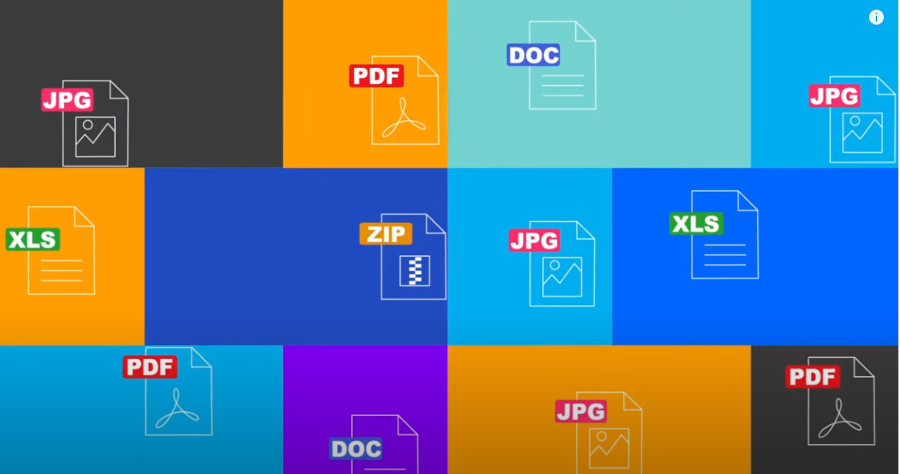
The Documents module in SuiteCRM provides a centralized and organized way to store important files and link them to relevant records within the CRM system. It offers a secure and easily accessible repository for various types of documents, such as contracts, proposals, invoices, marketing materials, and more.

Here’s how the Documents module works in SuiteCRM:

  1. Uploading Documents: Users can upload files directly to the Documents module. This can be done by clicking on the “Create” button within the module and selecting “Upload Document.” Users can either drag and drop files or browse their computer to select the desired document.
  2. Organizing Documents: Once uploaded, documents can be organized into folders or subfolders for better categorization and easy retrieval. This helps keep the document library well-structured and allows users to quickly find the relevant files.
  3. Linking Documents to Records: One of the key features of the Documents module is the ability to link documents to specific records within SuiteCRM. For instance, a sales contract can be linked to a particular opportunity, or a product manual can be linked to a specific product record. This association allows users to access relevant documents directly from the associated record.
  4. Document Revision History: SuiteCRM keeps track of document revisions, allowing users to view previous versions of a document. This feature is particularly useful when multiple team members collaborate on a document, ensuring a history of changes and edits is maintained.
  5. Document Sharing and Permissions: Administrators can set user-level permissions to control who can access, edit, or delete documents. This ensures that sensitive or confidential files are only accessible to authorized personnel.
  6. Version Control: SuiteCRM’s Documents module provides version control capabilities, enabling users to maintain different iterations of the same document. This is helpful in scenarios where document updates and changes are frequent.
  7. Document Search: The module includes a search function that allows users to quickly find specific documents using keywords or file names. This saves time and effort in locating relevant files, especially in large document repositories.
  8. Integration with Other Modules: The Documents module seamlessly integrates with other modules within SuiteCRM. For example, documents can be linked to leads, contacts, accounts, opportunities, and other custom modules.
  9. Document Collaboration: Team members can collaborate on documents by accessing and editing them in real-time, making it easier to work on shared files collectively.
  10. Document Versioning: When a document is updated, the previous version is preserved, ensuring historical records are retained and accessible.

In summary, the Documents module in SuiteCRM offers a comprehensive solution for storing, managing, and linking important files to relevant records. This streamlines document management processes, enhances team collaboration, and ensures easy access to essential files within the CRM system.

Filed Under: Business Operations, Sonet Dynamics Blog, SuiteCRM

From Data to Dollars: How CRM Software Drives Customer Lifetime Value

July 30, 2023 by Scott Scholz

As the possibility of recession draws nearer on the horizon, securing existing customers becomes more critical. Customer relationship management (CRM) software can enhance customer lifetime value (CLV) as it enables companies to better understand their customers, improve communication, and provide personalized experiences, leading to increased customer loyalty and higher CLV. By utilizing CRM data, businesses can identify valuable customers, predict their needs, and tailor marketing strategies to enhance customer retention and drive repeat purchases. The article emphasizes that investing in CRM software can significantly improve customer relationships and ultimately boost the overall profitability and success of a business.

How CRM software improves customer lifetime value:

  1. Customer Insights: CRM software collects and organizes customer data, enabling businesses to gain deep insights into customer behavior, preferences, and purchase history. Understanding customer preferences helps companies personalize their offerings and marketing strategies, increasing the chances of upselling and cross-selling to existing customers.
  2. Effective Communication: CRM software streamlines communication with customers by centralizing interactions through various channels, such as email, social media, and live chat. Prompt and personalized responses enhance customer satisfaction and foster long-term relationships.
  3. Targeted Marketing: Leveraging CRM data, businesses can segment their customer base and create targeted marketing campaigns. These personalized messages resonate with customers, leading to higher engagement and improved customer retention.
  4. Customer Retention Strategies: CRM software helps identify customers at risk of churning, allowing businesses to implement proactive retention strategies. By addressing customer concerns and offering incentives, companies can reduce churn rates and extend the customer lifecycle.
  5. Predictive Analytics: CRM platforms often incorporate predictive analytics, enabling businesses to forecast customer behavior and needs. By anticipating customer requirements, businesses can be proactive in providing relevant offers and solutions, increasing customer satisfaction and loyalty.
  6. Enhanced Customer Service: CRM software empowers customer service teams with comprehensive customer profiles, enabling them to provide personalized and efficient support. Satisfied customers are more likely to remain loyal and contribute to higher CLV.
  7. Customer Feedback and Surveys: CRM systems can facilitate the collection of customer feedback and conduct surveys, enabling businesses to understand customer sentiments and areas for improvement. Addressing customer feedback helps strengthen customer relationships and loyalty.
  8. Referral and Advocacy Programs: By identifying highly satisfied customers, businesses can encourage them to become brand advocates through referral programs. Positive word-of-mouth referrals can attract new customers with higher CLV potential.

CRM software plays a crucial role in improving customer lifetime value by fostering stronger customer relationships, offering personalized experiences, and increasing customer retention. Utilizing CRM data for targeted marketing, predictive analytics, and effective communication empowers businesses to maximize customer value and drive long-term profitability.

Sonet Dynamics llc helps businesses embrace SuiteCRM to discover how affordable, powerful, and transformative a CRM system can truly be to enhance customer lifetime value.

Filed Under: Marketing, Sonet Dynamics Blog, SuiteCRM

  • « Go to Previous Page
  • Page 1
  • Page 2
  • Page 3
  • Page 4
  • Interim pages omitted …
  • Page 6
  • Go to Next Page »

Copyright © 2026 · Sonet Dynamics llc · All Rights Reserved